
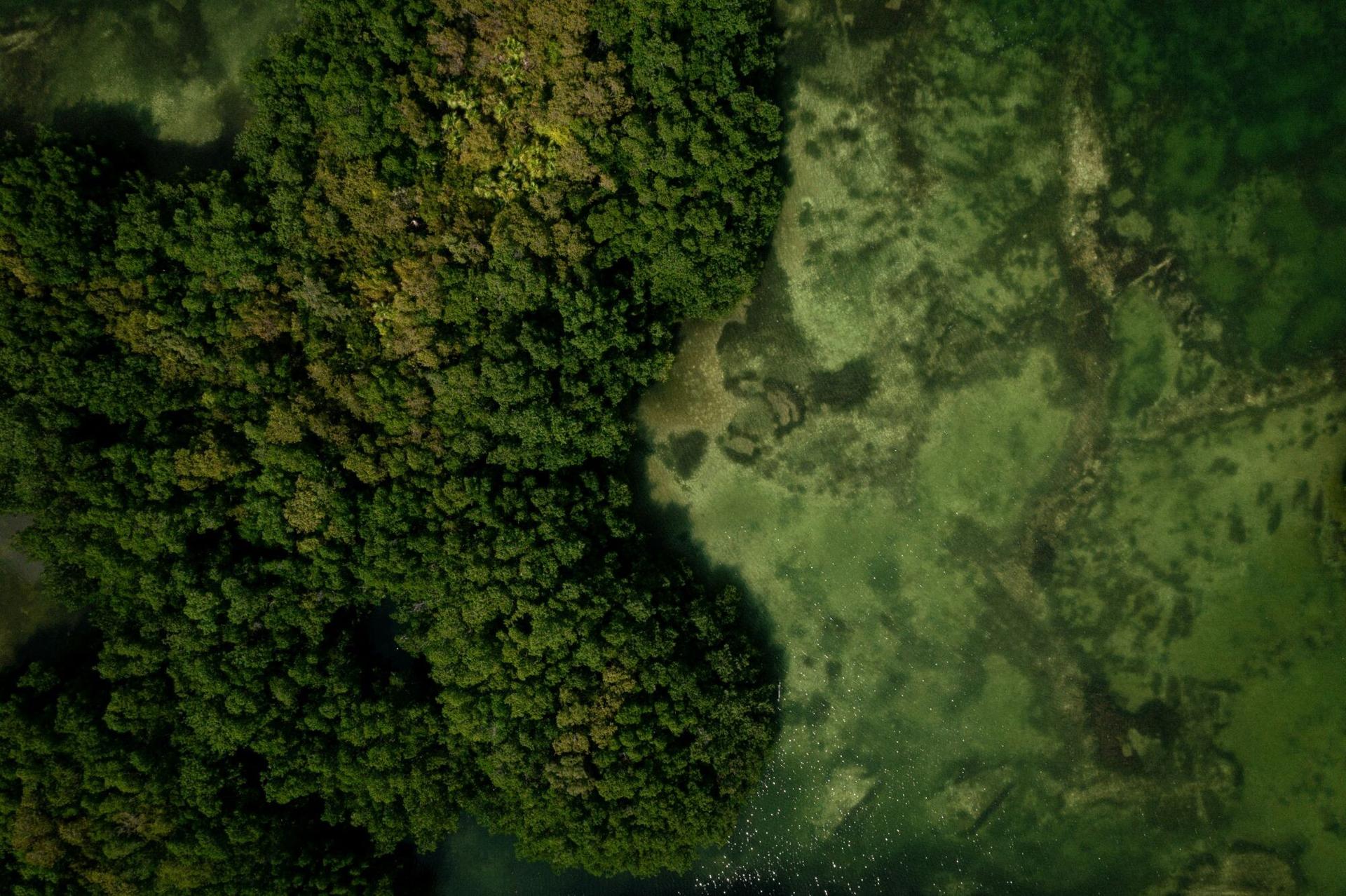
Why mangroves
The hardest-working
forest on Earth.
01 · CARBON
Most of the carbon is underground.
Mangroves are among the most carbon-rich forests in the tropics. Their waterlogged, low-oxygen soils slow decay almost to a stop, so organic matter builds up over centuries instead of returning to the air.

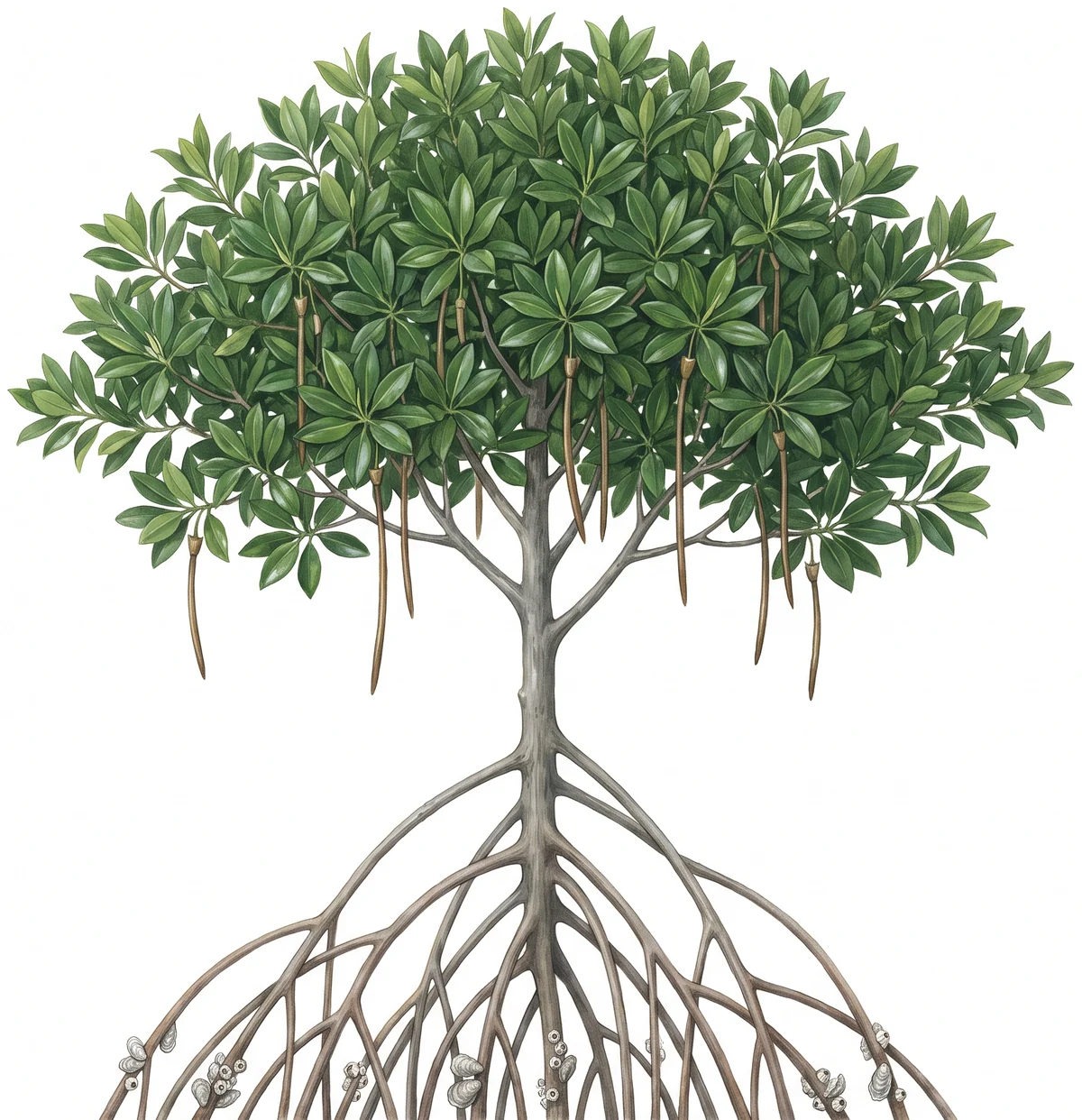
Above-ground biomass
Leaves, branches and trunk. The part you can see, and usually the smaller share of the forest's carbon.
Prop roots
Arching prop roots and a dense mat of fine roots bind the sediment and slow the water, so it drops what it carries.
Organic soils
Waterlogged, low-oxygen sediment builds up over centuries and decay almost stops, so the carbon stays locked away.
49–98% OF ECOSYSTEM CARBON
ILLUSTRATIVE CROSS-SECTION · NOT TO SCALE
02 · PROTECTION
A living sea wall.
Dense roots and trunks drain energy from waves and trap sediment, so the shore builds up instead of washing away. For low-lying communities on the Gulf of Guinea, where erosion and storm surges are real threats, that protection is infrastructure that repairs itself.
13–66%
lower wave height after just 100 m of mangroves
MCIVOR ET AL. (2012), THE NATURE CONSERVANCY & WETLANDS INTERNATIONAL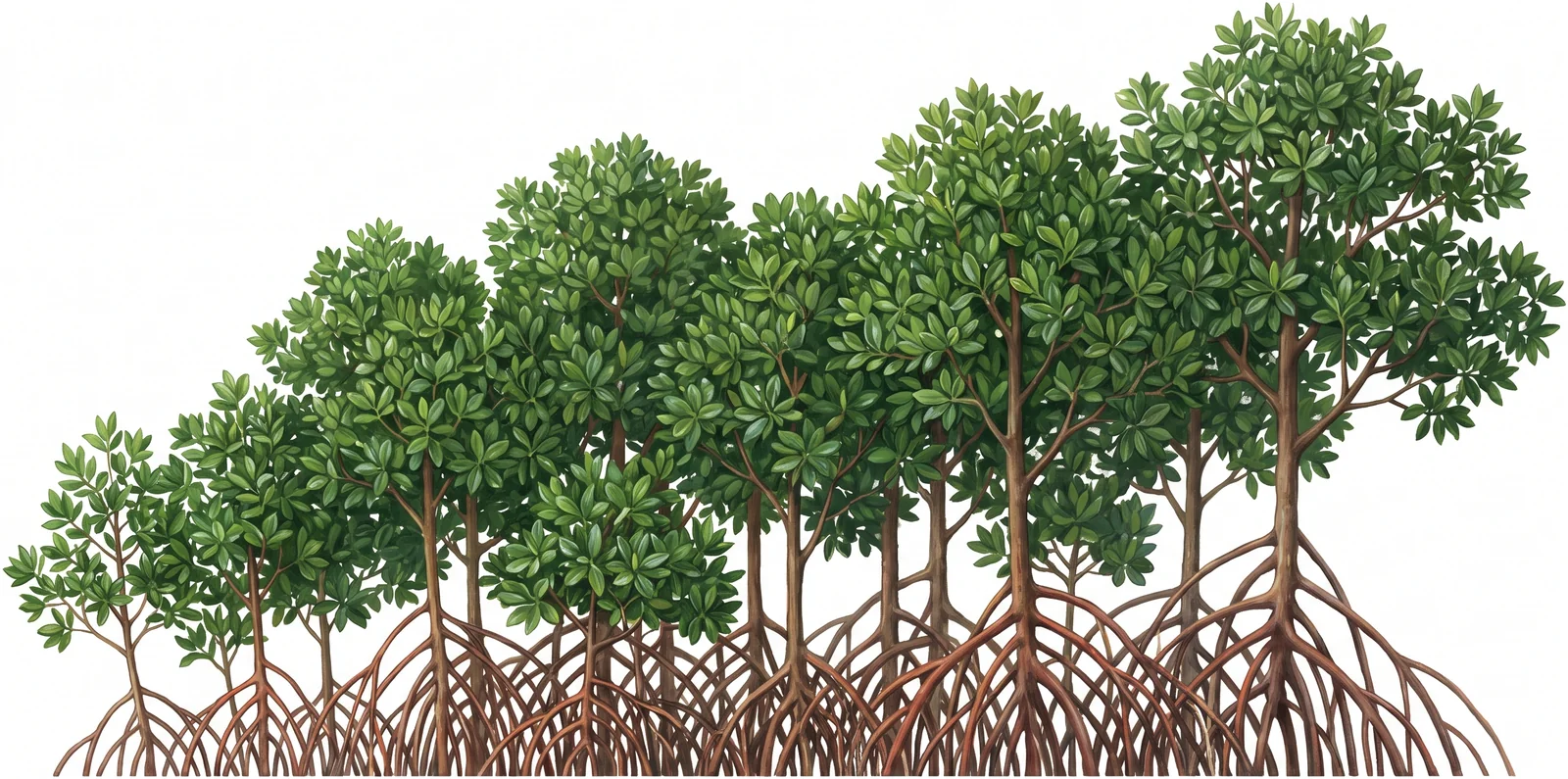
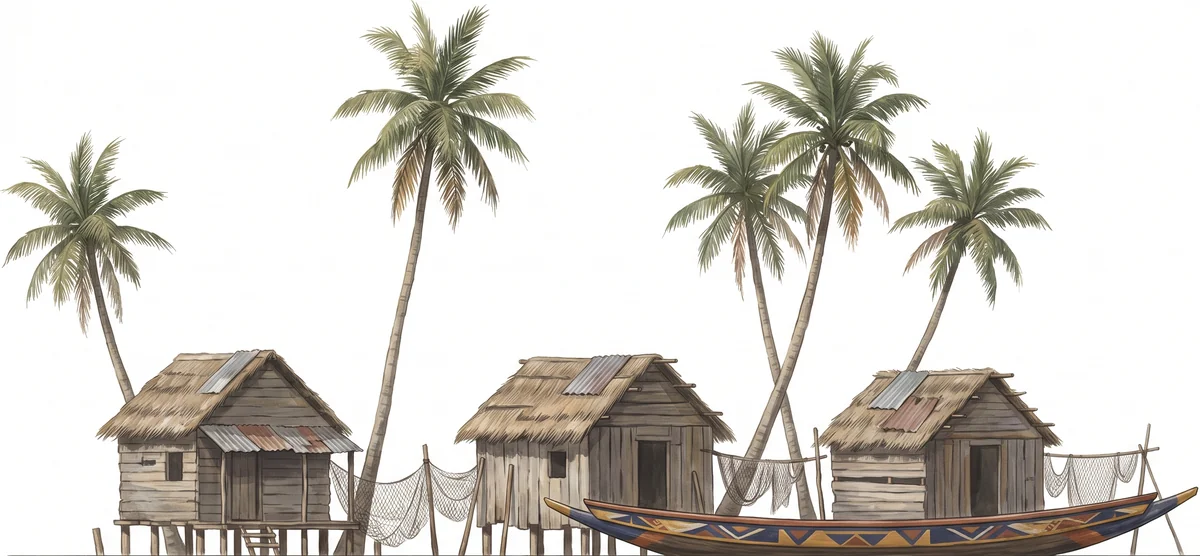
FIRST 100 M · 13–66% LOWER
01OPEN SEA02MANGROVE BELT03SHELTERED SHOREOpen water
Waves arrive from the sea with their full height and energy.
Mangrove belt
Trunks, prop roots and canopy create drag. Wave height falls by 13–66% over the first 100 m of forest.
Sheltered shore
Homes, boats and farmland sit behind a living barrier that traps sediment and repairs itself.
ILLUSTRATIVE · NOT TO SCALE · WAVE REDUCTION: MCIVOR ET AL. (2012)
03 · LIVELIHOODS
The nursery of the coast.
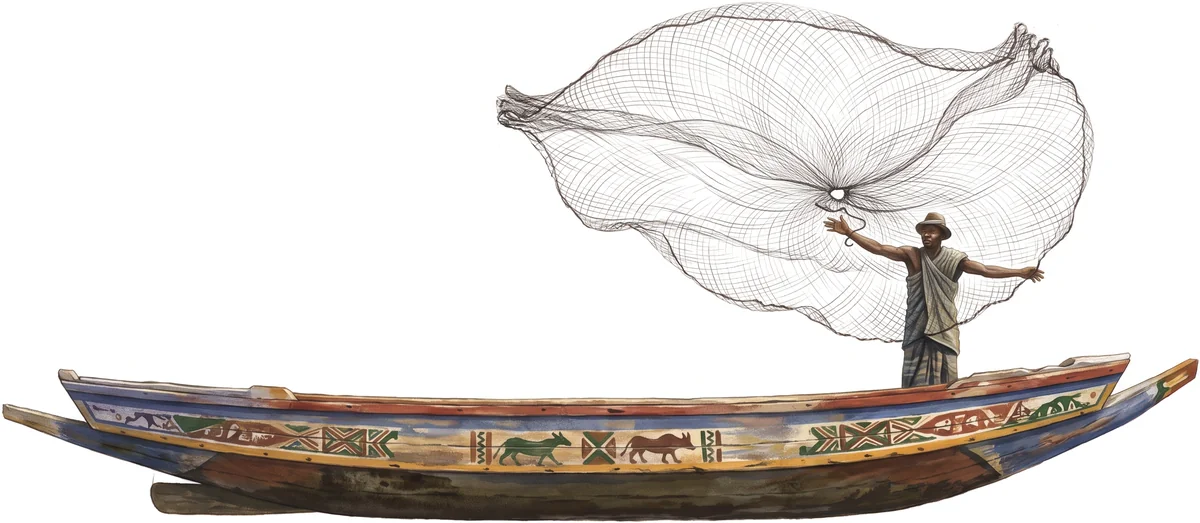
The tangle of roots gives young fish, shrimp and crabs shelter from predators and plenty to eat. Many move out to the lagoon and the sea as they grow, and that's where coastal fishing families catch them.
700bn+
juvenile fish and invertebrates supported by mangroves worldwide each year
ZU ERMGASSEN ET AL. (2025), COMMUNICATIONS EARTH & ENVIRONMENT ↗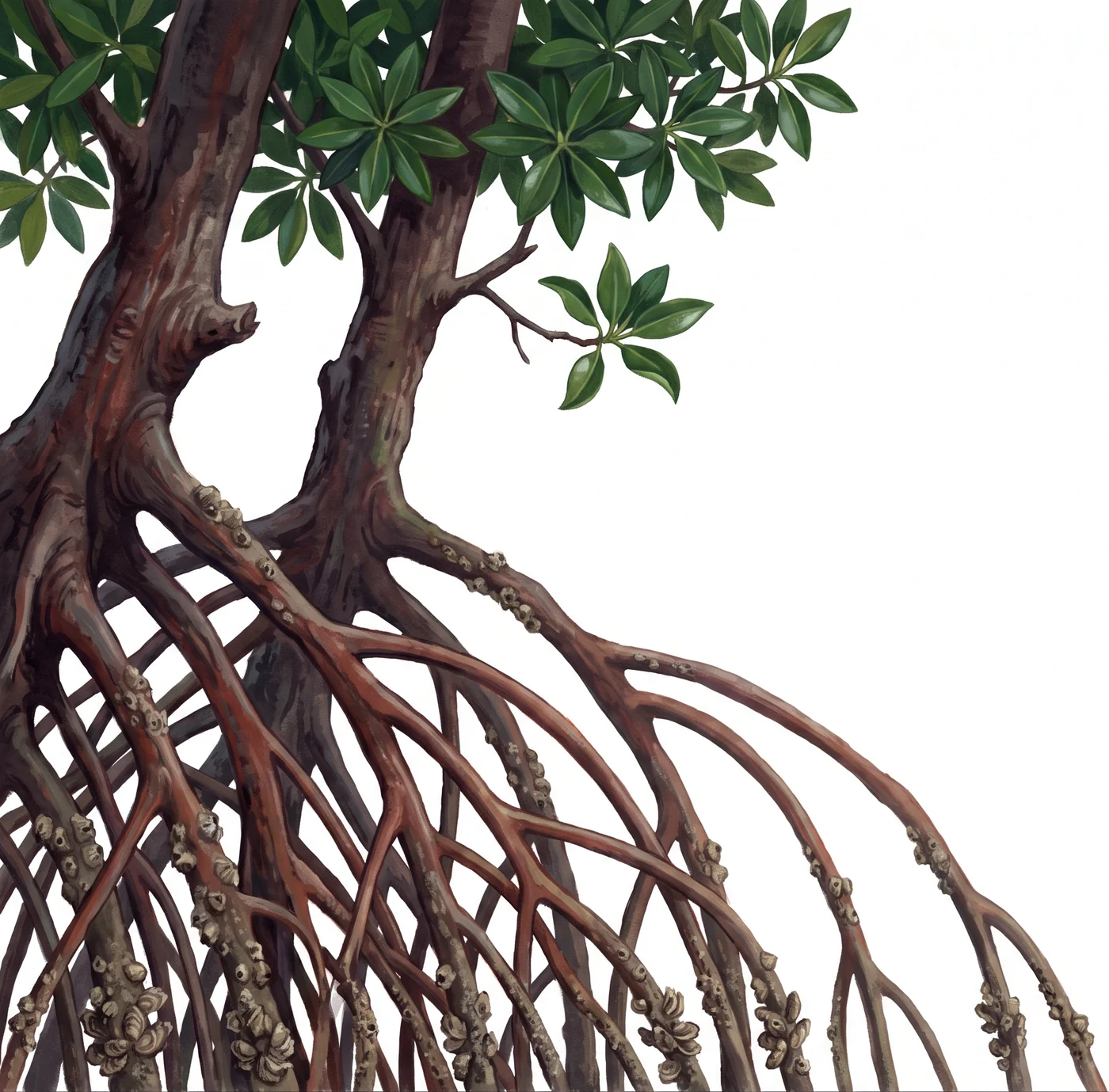
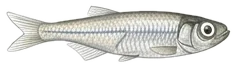
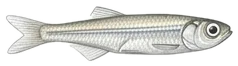
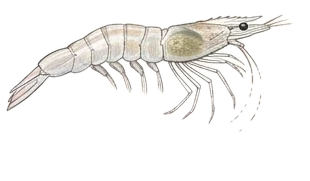
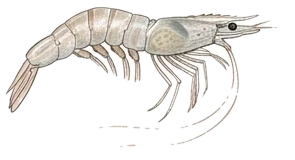
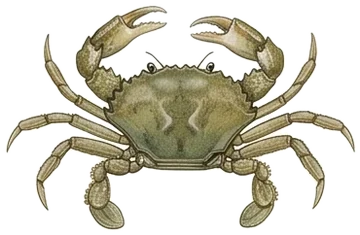
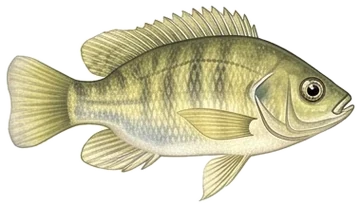
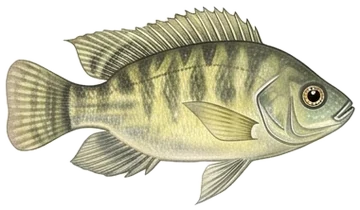
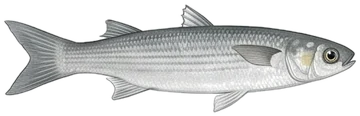
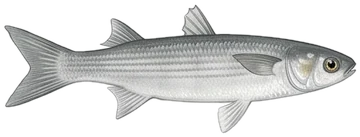
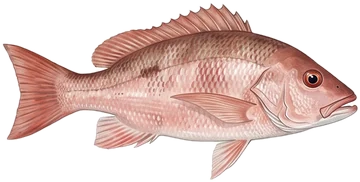
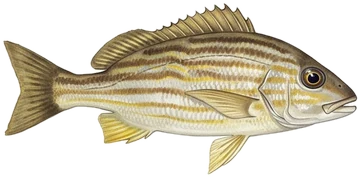
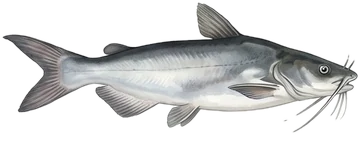 01NURSERY02LAGOON & ESTUARY03COASTAL FISHERIES
Nursery
Young fish, shrimp and crabs shelter among the prop roots, out of reach of predators, with plenty to eat.
Lagoon & estuary
As they grow, juveniles move out over the seagrass and open lagoon.
Coastal fisheries
Adults support the catches that fishing families along the coast depend on.
ILLUSTRATIVE · NOT TO SCALE
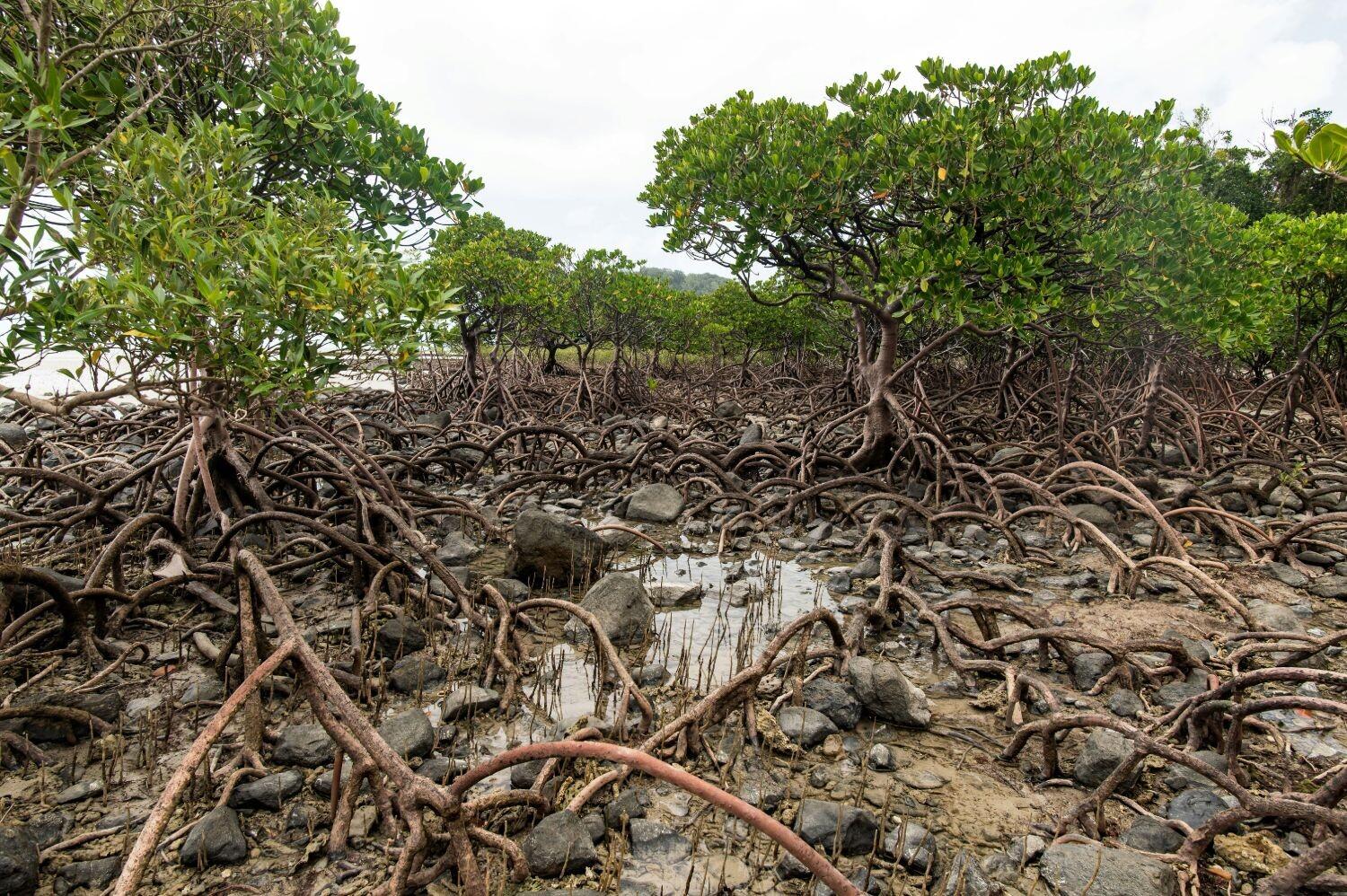
04 · LOSS
And we keep losing them.
5,245 km²
of mangroves lost worldwide between 1996 and 2020, cleared for firewood, aquaculture, salt pans and development. When they go, the carbon in their soils starts to escape.
BUNTING ET AL. (2022), REMOTE SENSING ↗The uncomfortable truth
Most mangrove planting doesn't survive.
Studies of planting programmes from the Philippines to Sri Lanka keep reaching the same conclusion: planting trees is easy, and getting them to live is hard. The failures come down to three things, and none of them is the seedling.
20%
average seedling survival across 119 mangrove planting attempts in Southeast Asia
WODEHOUSE & RAYMENT (2019), ESTUARINE, COASTAL AND SHELF SCIENCE ↗1.4%
survival where mangroves were planted on mudflats, which made up a third of those attempts
WODEHOUSE & RAYMENT (2019), ESTUARINE, COASTAL AND SHELF SCIENCE ↗9 of 23
restoration sites in Sri Lanka had no surviving plants at all
KODIKARA ET AL. (2017), RESTORATION ECOLOGY ↗Land
Projects often plant on land nobody clearly owns, which is frequently too low in the tidal zone for mangroves to survive. Unclear rights also leave projects open to disputes that can unravel them years later.
LOVELOCK & BROWN (2019), NATURE ECOLOGY & EVOLUTION
How we design it out
We map the rights-holders for every parcel and document tenure and carbon rights with legal partners before a project area is fixed.
People
Restoration works only when local communities are engaged and actively support it, with access and use rights settled first. Without that, young stands are cut, grazed or abandoned.
ZIMMER ET AL. (2022), FRONTIERS IN FORESTS AND GLOBAL CHANGE
How we design it out
A three-stage FPIC process, landholder compensation, open grievance channels and jointly governed community funds.
Water
Mangroves need the right elevation, tidal flooding and salinity. Many failures trace back to the wrong site or species: mudflats, seagrass beds, blocked creeks, no aftercare.
PRIMAVERA & ESTEBAN (2008), WETLANDS ECOLOGY AND MANAGEMENT · LEWIS (2005), ECOLOGICAL ENGINEERING · KODIKARA ET AL. (2017), RESTORATION ECOLOGY
How we design it out
Hydrology-first screening of tidal exchange, salinity and creek connectivity, with survival monitoring and replanting built into the budget.
Sources
Figures on this page come from published research and reports. Each one links to its source.
- Donato et al. (2011), Nature Geoscience. Mangroves among the most carbon-rich forests in the tropics. Link ↗
- McIvor et al. (2012), The Nature Conservancy & Wetlands International. Reduction of wind and swell waves by mangroves.
- zu Ermgassen et al. (2025), Communications Earth & Environment Link ↗
- Bunting et al. (2022), Remote Sensing. Global Mangrove Extent Change 1996–2020: Global Mangrove Watch Version 3.0. Link ↗
- Wodehouse & Rayment (2019), Estuarine, Coastal and Shelf Science. Mangrove area and propagule number planting targets produce sub-optimal rehabilitation and afforestation outcomes. Link ↗
- Kodikara et al. (2017), Restoration Ecology. Have mangrove restoration projects worked? An in-depth study in Sri Lanka. Link ↗
- Primavera & Esteban (2008), Wetlands Ecology and Management. A review of mangrove rehabilitation in the Philippines: successes, failures and future prospects. Link ↗
- Lovelock & Brown (2019), Nature Ecology & Evolution. Land tenure considerations are key to successful mangrove restoration. Link ↗
- Zimmer et al. (2022), Frontiers in Forests and Global Change. When nature needs a helping hand: different levels of human intervention for mangrove (re-)establishment. Link ↗
- Lewis (2005), Ecological Engineering. Ecological engineering for successful management and restoration of mangrove forests. Link ↗