
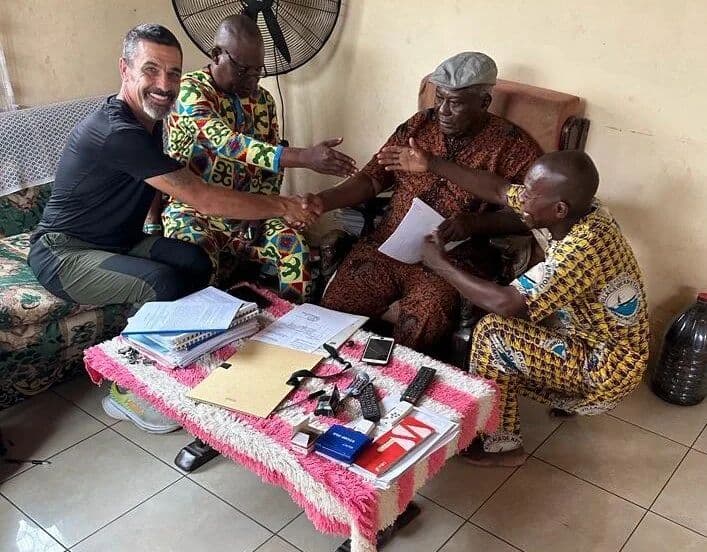
After months of negotiation, three community agreements in coastal Benin gave us exclusive rights to restore mangroves on their land.
After months of detailed negotiation, we signed three landmark agreements with the leaders of the Dohi, Agbanidjèhoué and A.K.N.N.N communities. It's a significant milestone in our work to promote sustainable land use and environmental restoration on the Benin coast.
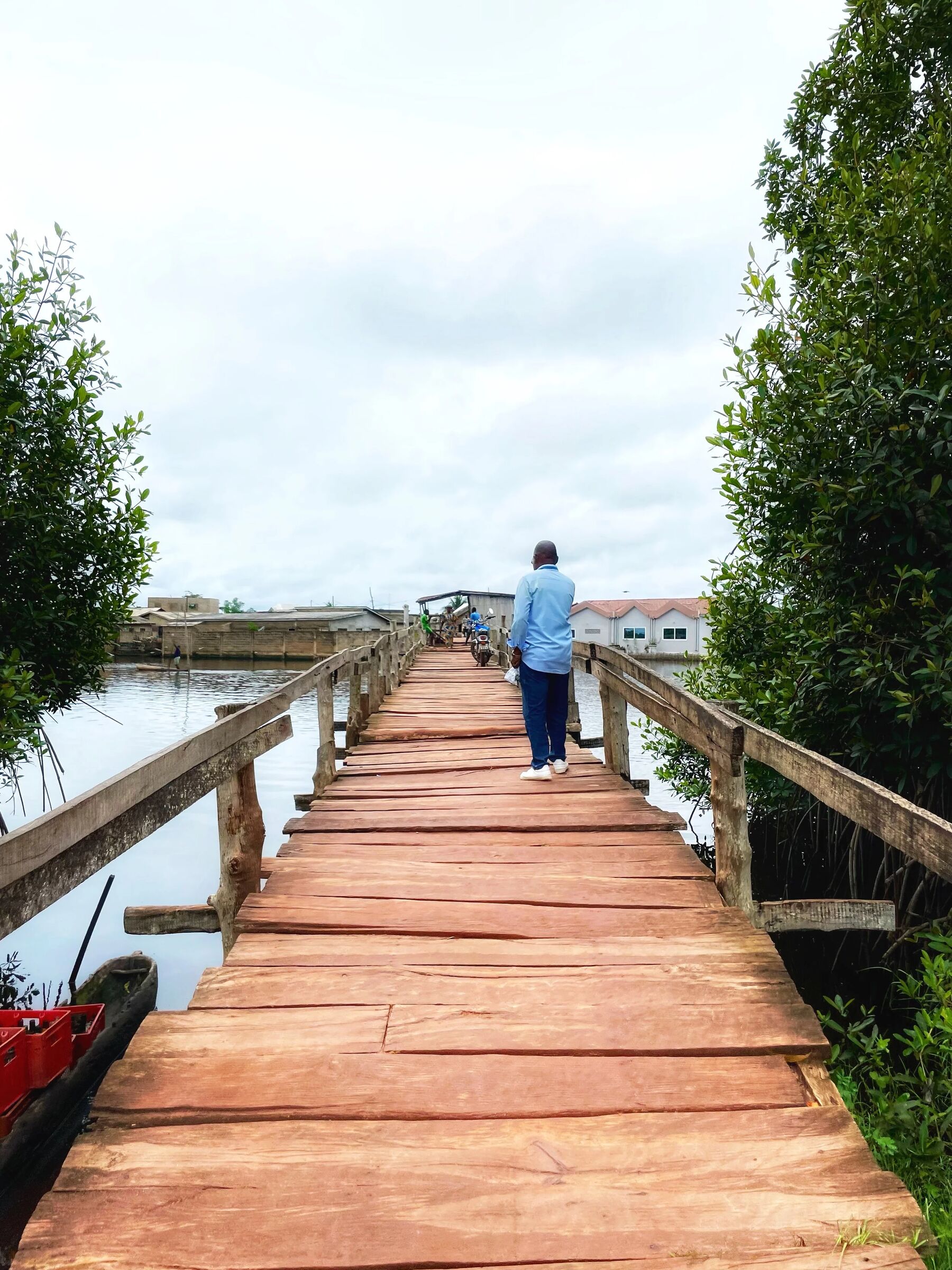
Navigating the negotiations
Negotiating with the kings and community leaders took time and care, and a real understanding of their cultural and environmental priorities. The lands they oversee cover thousands of hectares. Those lands are central to the communities' livelihoods, and they are also key areas for restoration.
Because these lands matter so much to the people who live on them, our discussions centred on a shared understanding of what restoration could bring: protection from coastal erosion, richer biodiversity, and lasting income through carbon finance.
Securing exclusive management rights
The agreements give us exclusive management rights for mangrove afforestation and restoration on these lands. That exclusivity means each project follows one consistent plan, without interference that could undermine it.
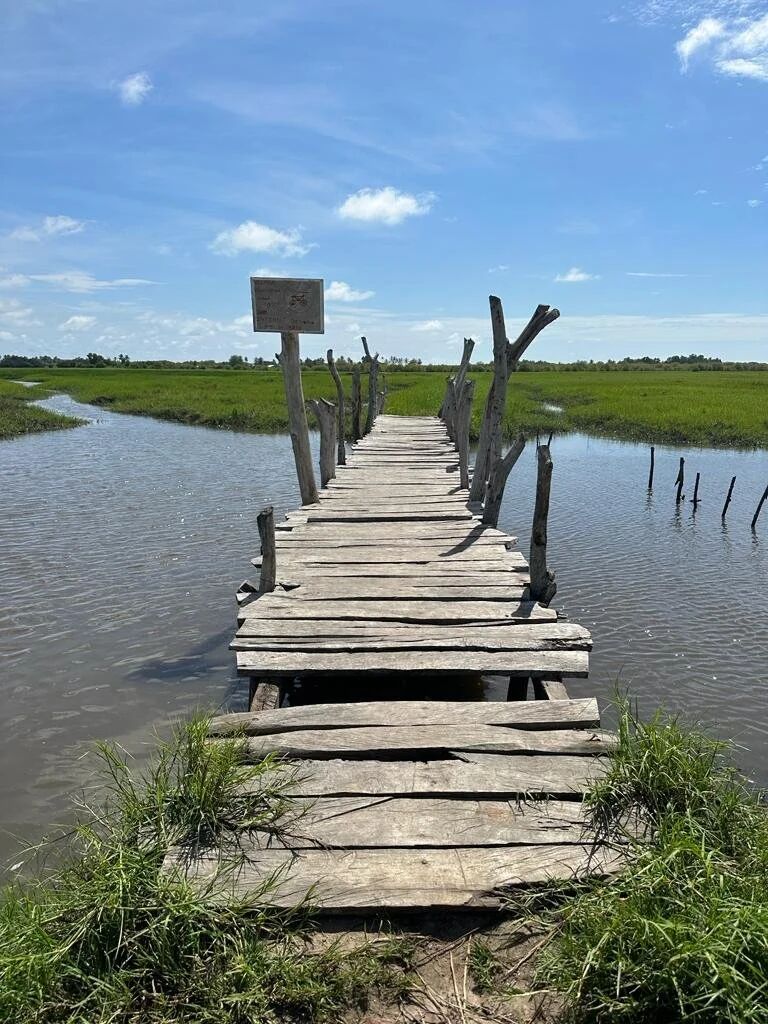
Under the agreements we will restore mangrove and other native vegetation lost to deforestation and degradation. That work will make the coast more resilient, strengthen biodiversity and help these communities build a sustainable future.
Looking ahead
These three agreements are a starting point. They give us a strong foundation for expanding restoration across the region. Next come detailed planning and community engagement, so that every project fits local needs.
The partnership shows what collaboration can do, and why trust with local stakeholders comes first.