
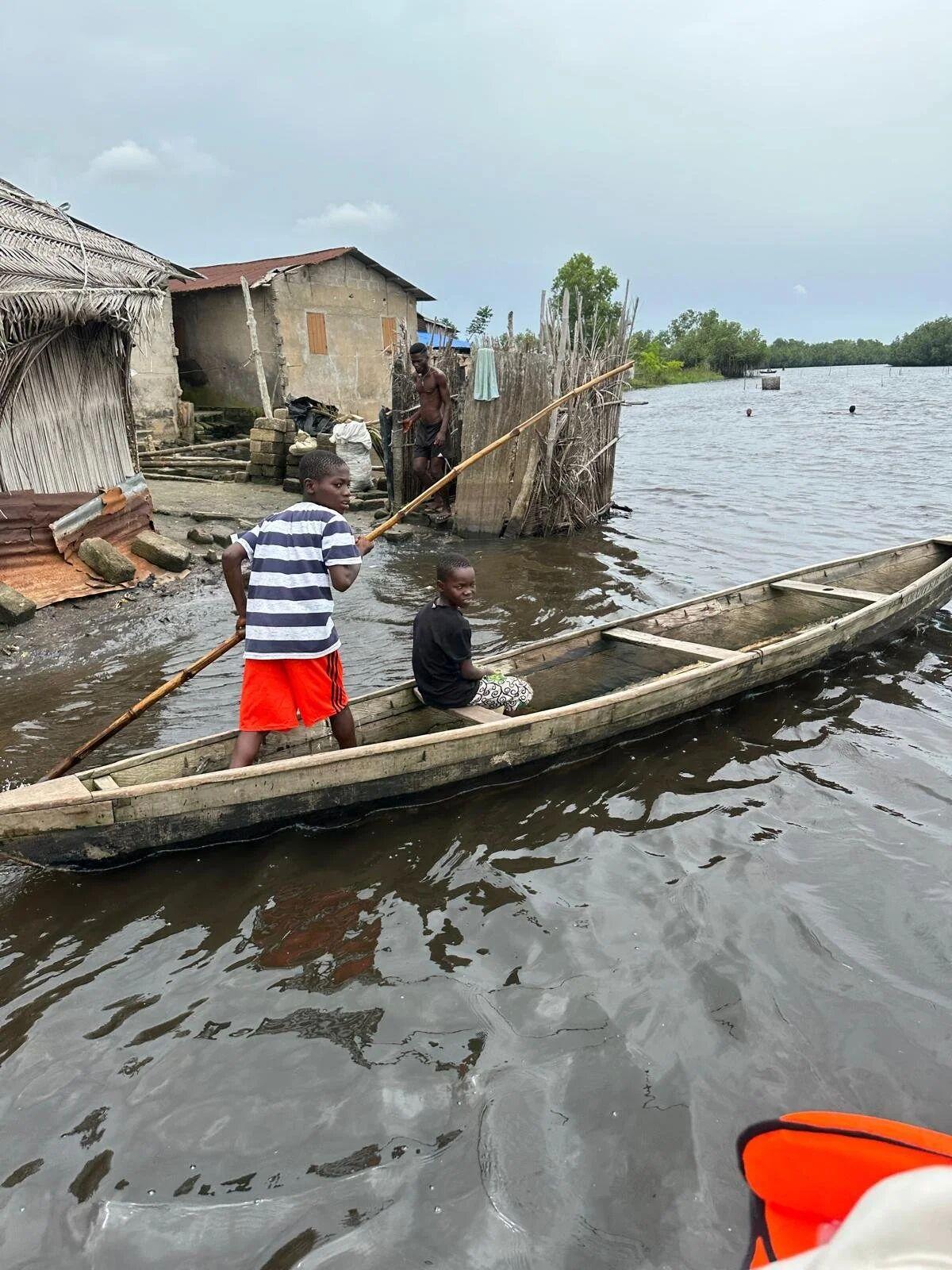
Our first trip to Ghana showed us a robust legal framework for carbon credits, and a government keen for serious developers to help deliver its agreements, including with Singapore.
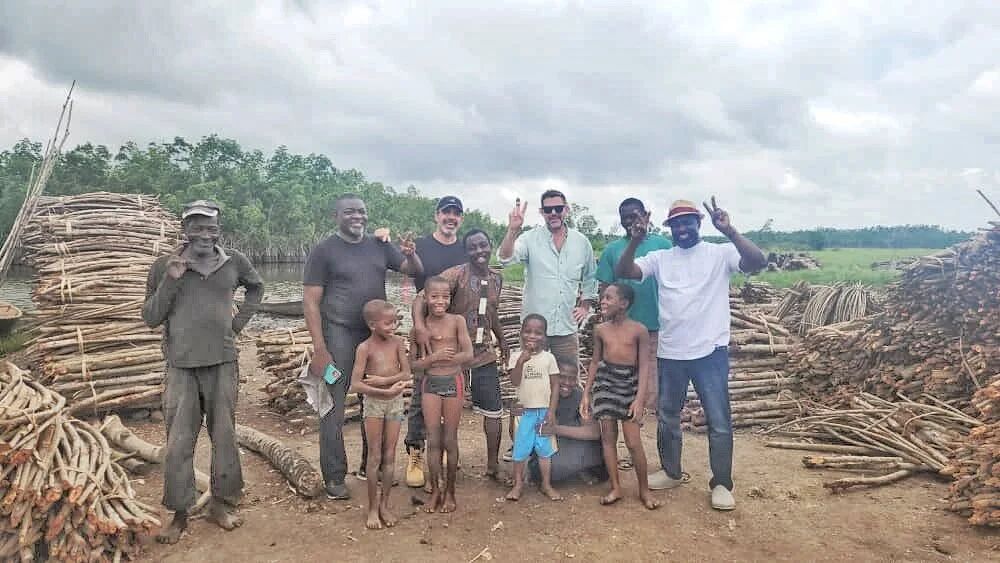
After exploratory trips to Benin and Togo, and a lot of groundwork from afar, we finally travelled to Ghana to meet local partners and government officials. What struck us most was how far the country had already come: Ghana has built a robust legal framework for carbon credits, and its government is keen for credible developers to enter the space.
A framework you can build on
Carbon projects depend on legal certainty: who owns the carbon, who can authorise its sale, and how every credit is tracked. Ghana has answered those questions. In December 2022 it published its national framework for international carbon markets under Article 6 of the Paris Agreement, and opened a Carbon Markets Office within the Environmental Protection Agency, with a national carbon registry to record projects and transfers.
For a developer, that means clear rules for authorising credits, a registry to record them, and a government counterpart whose job is to make the system work.
A government that wants projects
Ghana has also signed bilateral carbon agreements with other countries, including Switzerland and Singapore. In May 2024, a few weeks before our visit, it signed an Implementation Agreement with Singapore that sets out a legally binding route for Ghanaian carbon credits to be transferred under Article 6.
Agreements like these need high-quality projects on the ground to deliver credits. The officials we met were clear that they want experienced, responsible developers to help make them work. That combination of clear rules and a willing partner is rare, and it is why Ghana became our platform.
Starting small, thinking big
We'll take a deliberate, step-by-step approach in Ghana. We'll start with parcels of 1,000 to 5,000 hectares that we can manage and monitor properly. These first projects will be our pilots. They'll let us refine our methods and show communities and stakeholders real results.
Each project will restore native vegetation, strengthen biodiversity and support local livelihoods. Starting small means we can engage communities properly, earn their trust, and meet our environmental and social goals together.
The road ahead
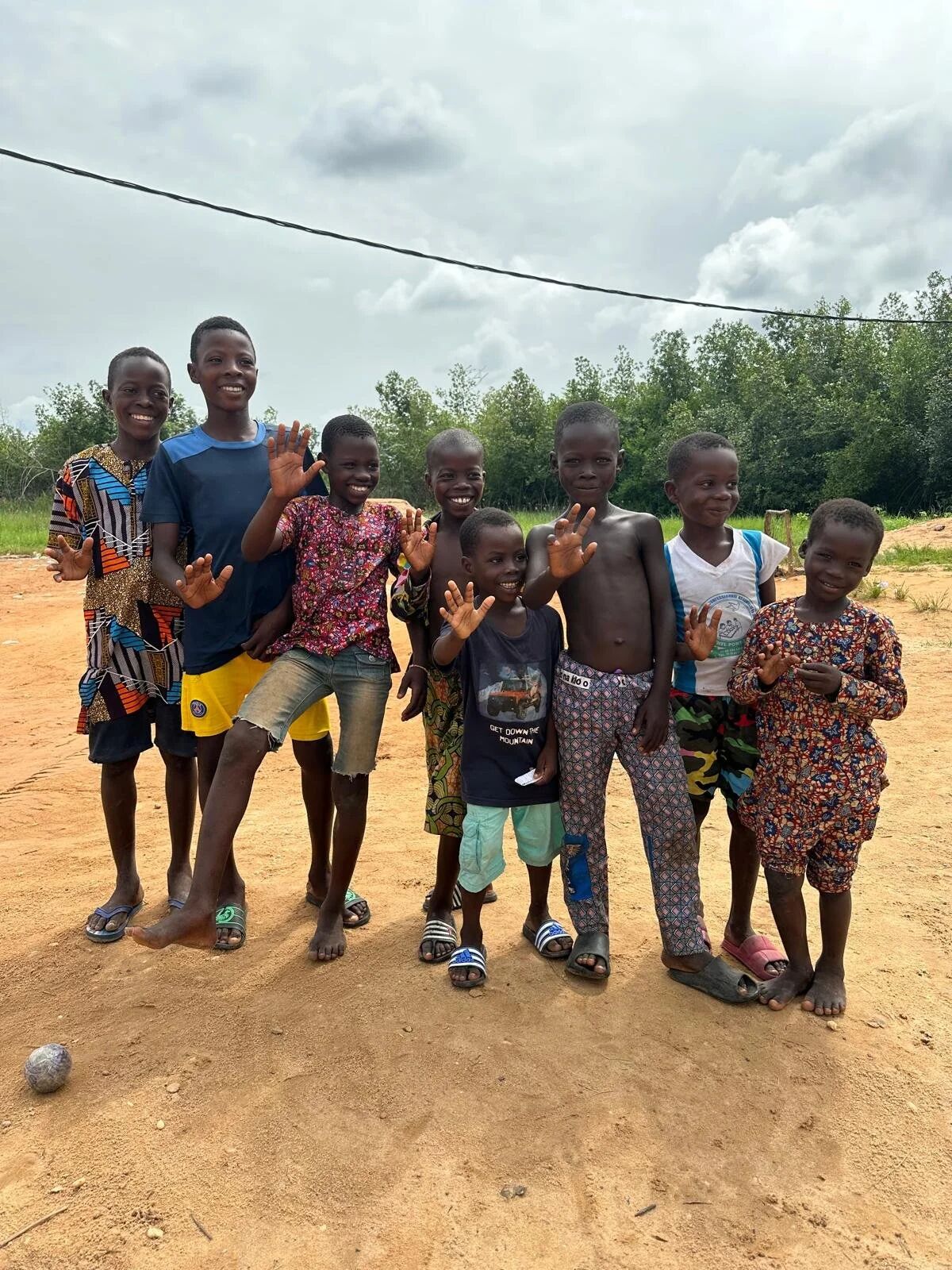
Our work in Ghana is just beginning, and the road ahead looks promising. We'll work closely with the Ghanaian government, local partners and communities, using sustainable, science-based restoration that benefits both people and the planet.
We'll keep sharing updates here as the projects move forward.